
Gateway to the Piney Woods
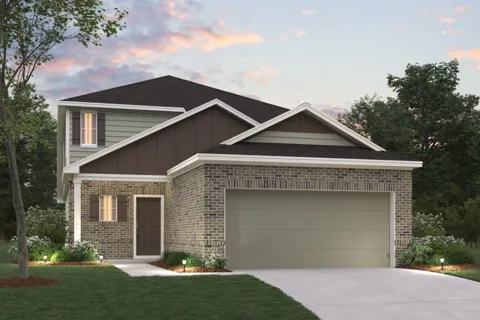
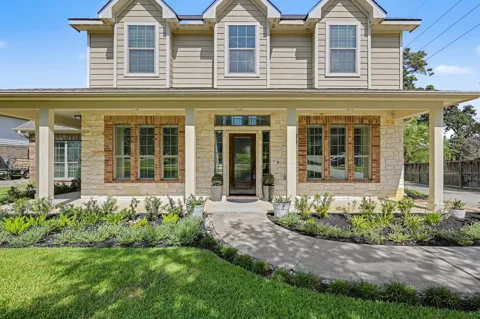
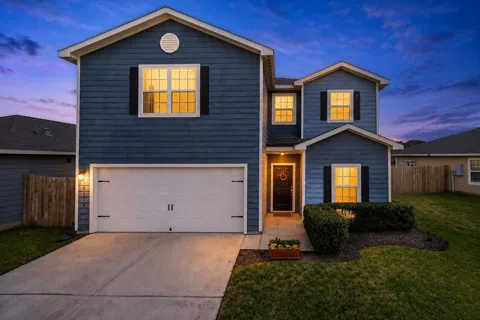
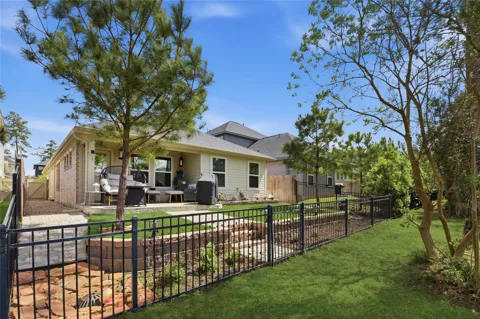
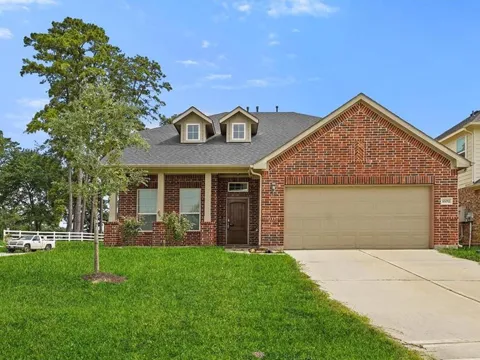
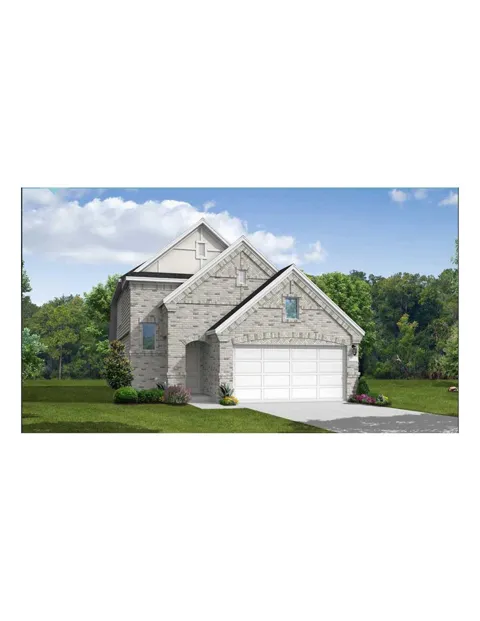
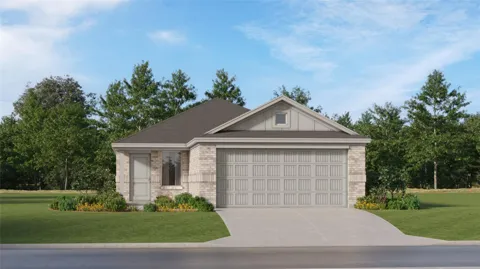
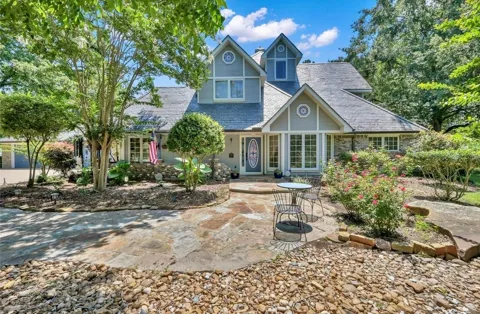
Listings in Magnolia, TX
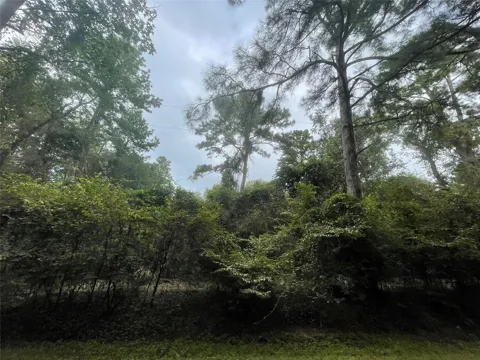
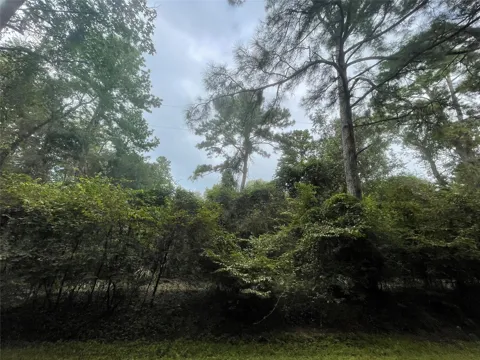
Welcome to Magnolia, a growing city in northwest Montgomery County set among pine forests between The Woodlands and Lake Conroe.
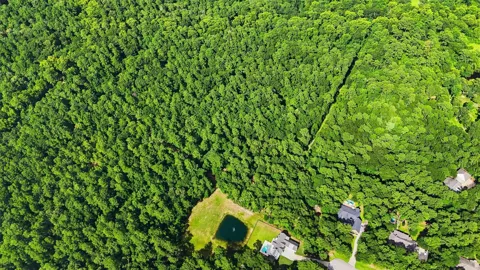
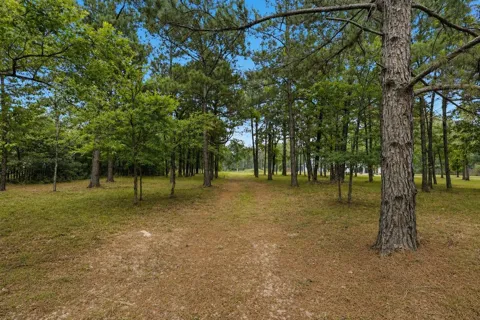
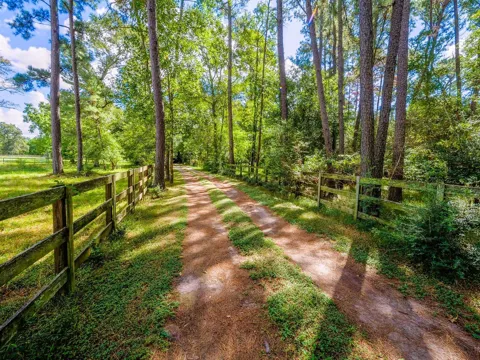
Magnolia is a city in northwest Montgomery County, Texas, occupying a gently rolling, pine-forested landscape that marks the transition into the Texas Piney Woods. It sits in the fast-growing corridor northwest of Houston, positioned between The Woodlands to the east and Lake Conroe to the north. While the incorporated city itself is small — counting about 2,359 residents in the 2020 census — Magnolia functions as the namesake and community anchor for a much larger unincorporated area, with tens of thousands of residents living across surrounding subdivisions, master-planned communities, and acreage tracts. The community's roots date to the 1840s, when the settlement began as Mink's Prairie, a small agricultural and lumber town. The arrival of the railroad in the early 20th century shaped its growth and gave the town its depot, which survives today as the Magnolia Stroll and Historic Depot and recalls the community's rail-era past. For most of its history Magnolia remained a quiet rural crossroads; its transformation into a Houston-area suburb is a recent phenomenon, driven by the region's northward expansion and the completion of improved highway connections. That growth has reshaped the local economy, which now rests on retail, education, health care, and the steady commuter flow to employment centers in The Woodlands, Tomball, Conroe, and Houston. Magnolia Independent School District is both a major local employer and a central draw for relocating families, operating about 17 schools across the district's fast-growing boundaries. The Texas Renaissance Festival, held over seven autumn weekends, is the area's best-known attraction and a significant seasonal economic driver. Recreation is woven into daily life. The Montgomery Trace route and other scenic roads make Magnolia a hub for cycling, including multiple MS-150 qualifying routes, while the pine forests and wetlands support birding and hiking. Lake Conroe lies a short drive to the north, and The Woodlands' performing arts and shopping venues are nearby. For homebuyers, Magnolia offers a distinctive combination of wooded space, newer planned communities, and access to one of the nation's largest metropolitan economies.
Get more information about Magnolia
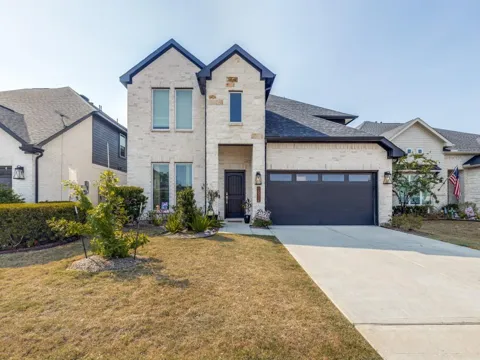
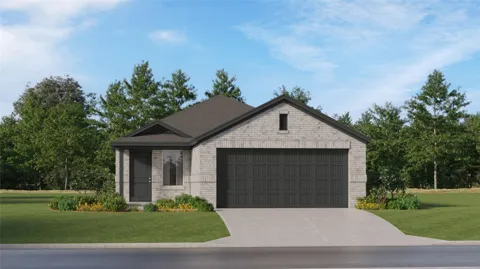
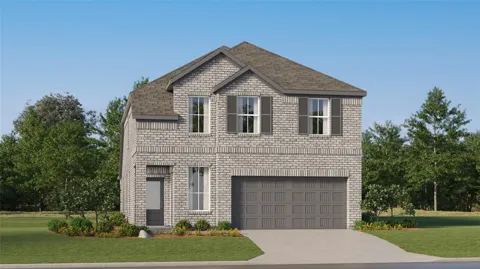
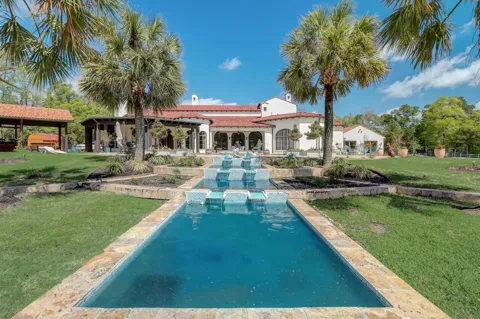
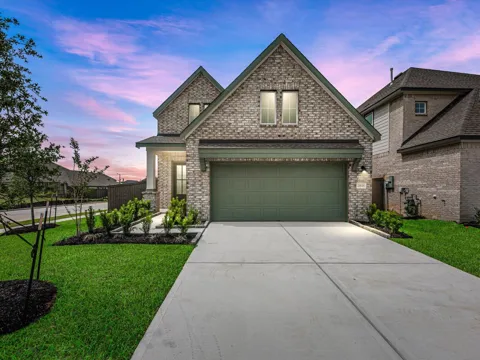
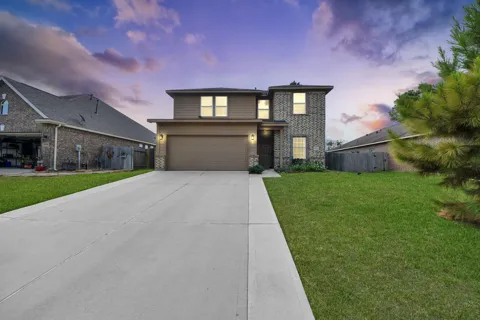
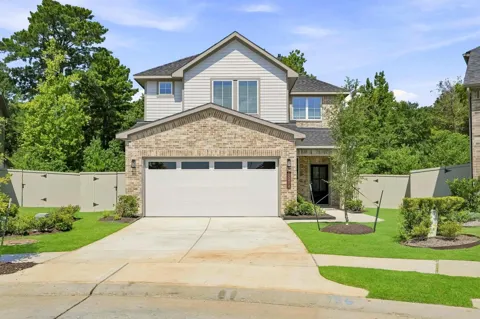
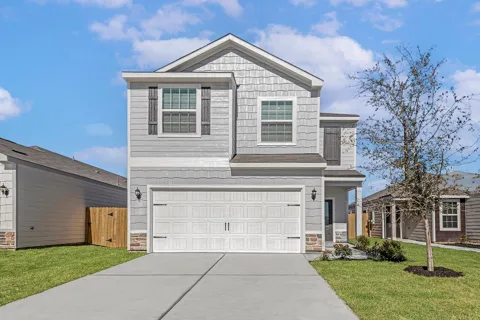
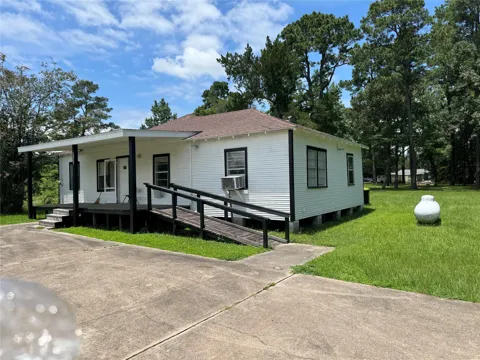
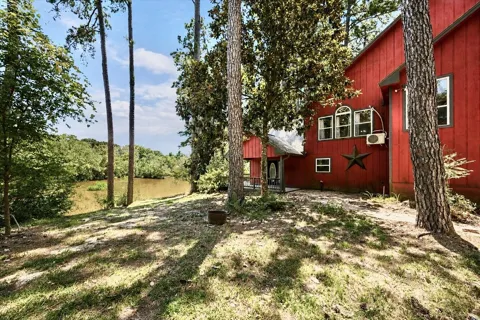
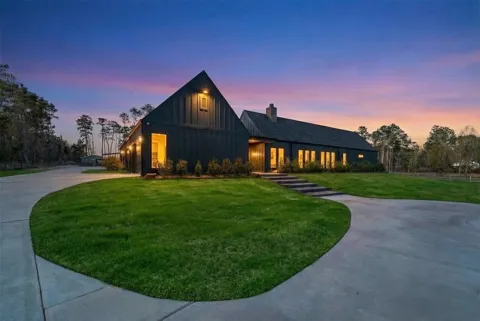
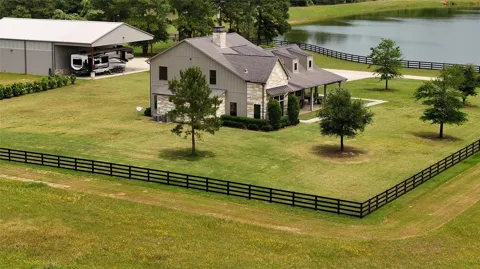
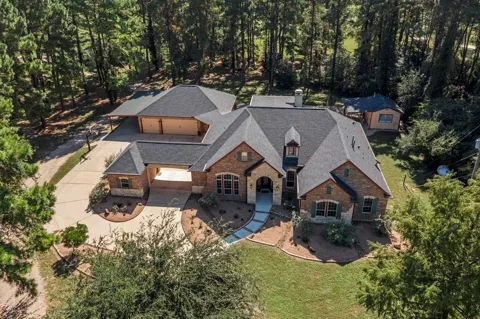
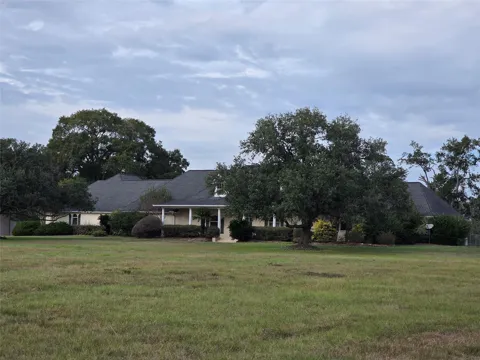
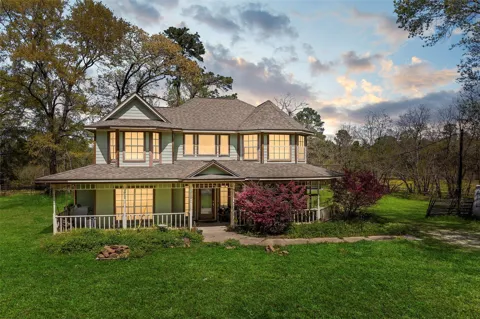
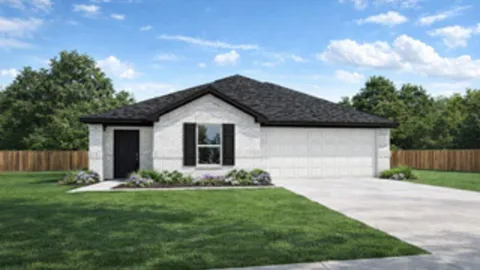
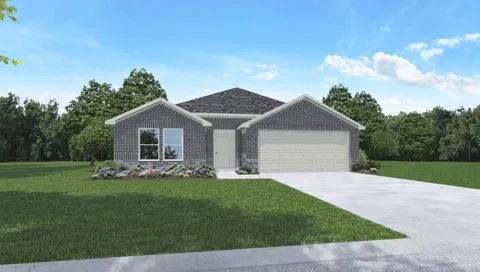
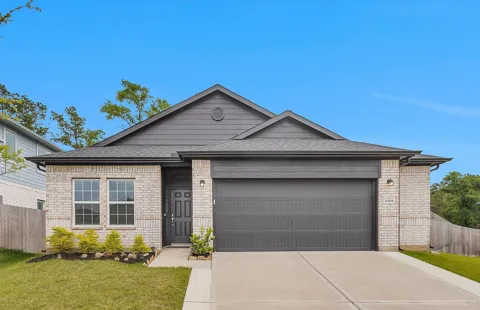
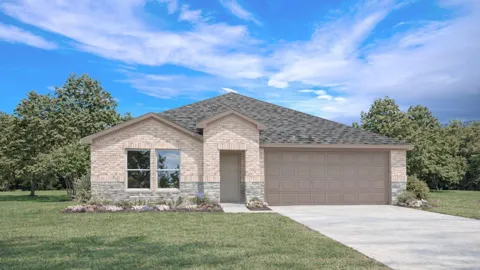
Houses in Magnolia, TX

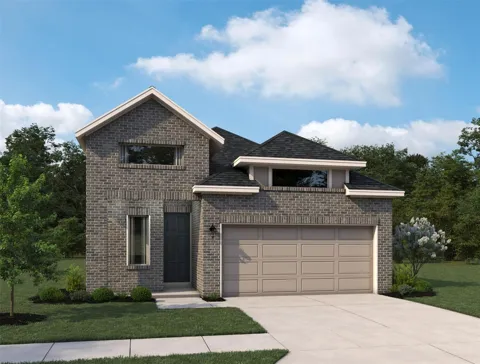
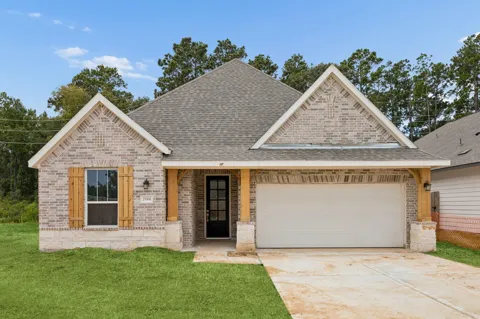
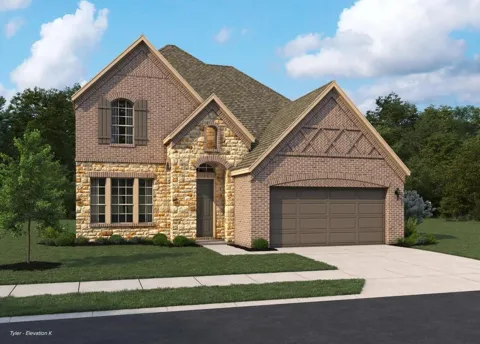
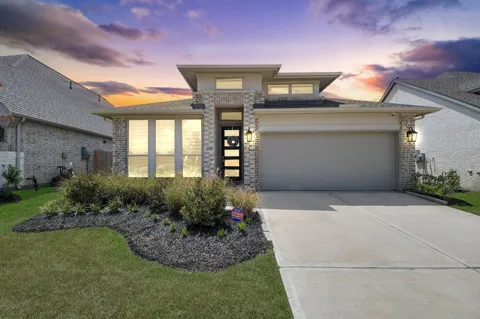
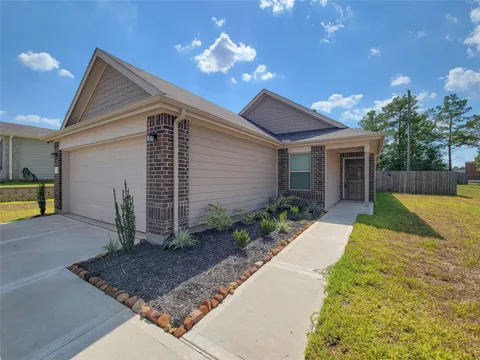
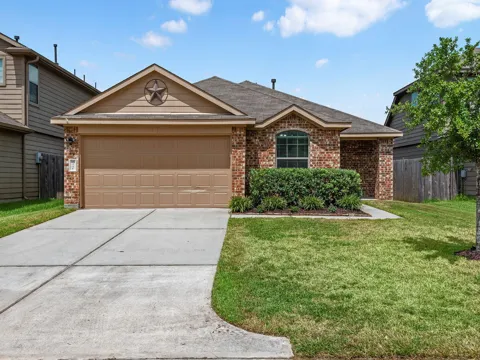

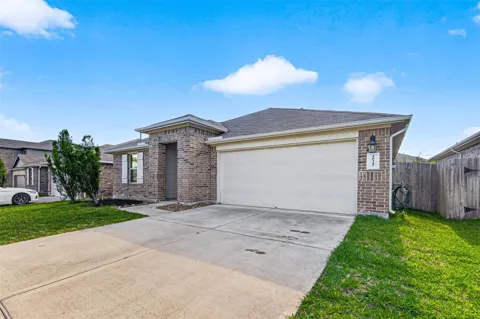

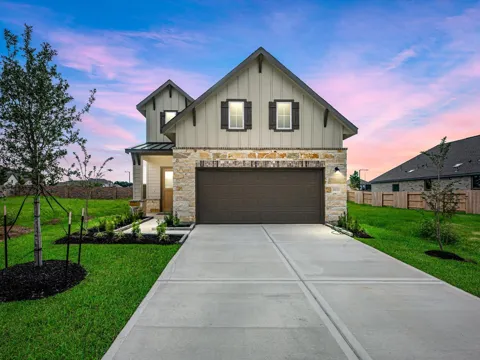
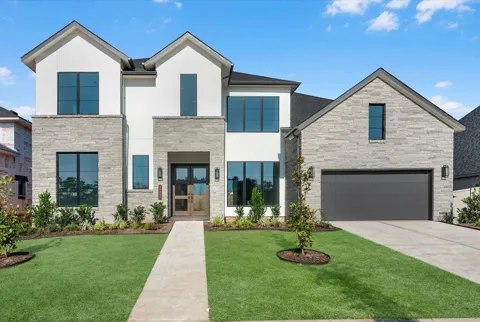

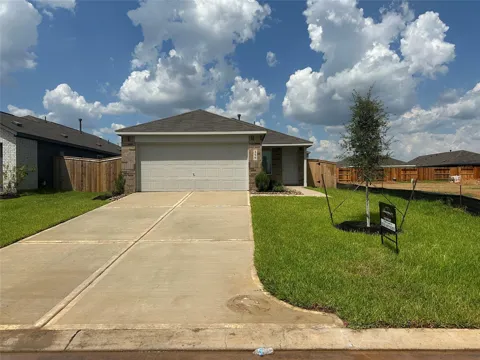
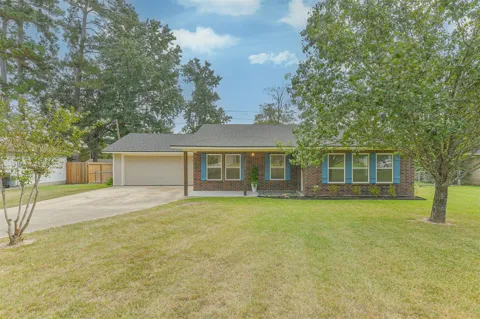
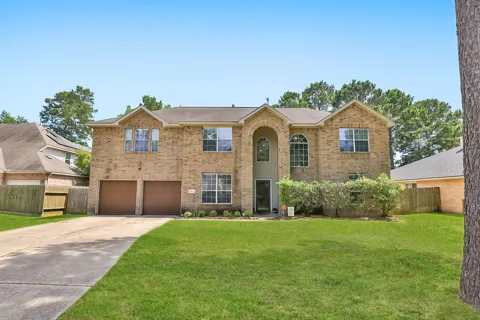
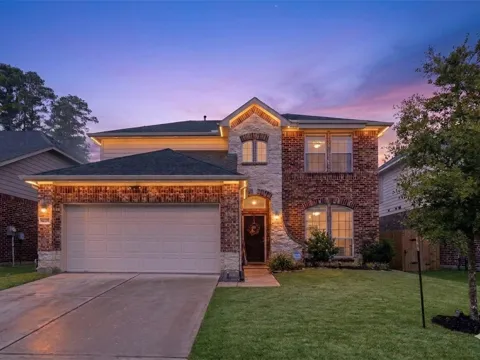
Townhouses & Duplexes in Magnolia, TX
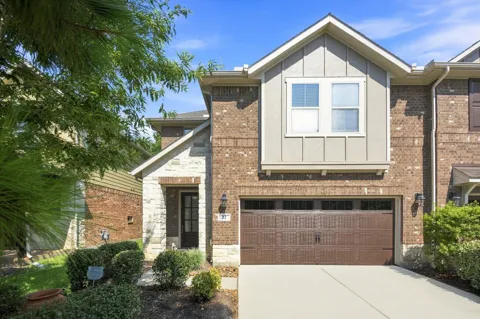
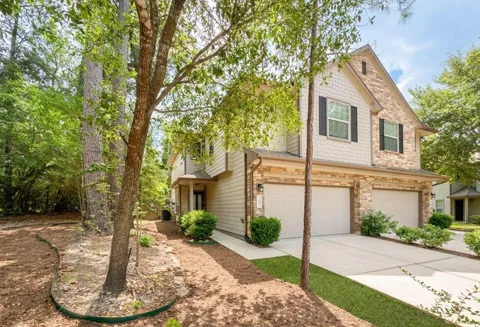
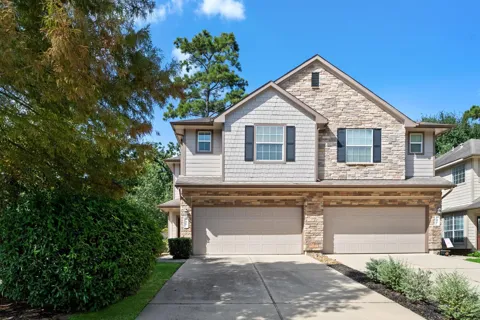
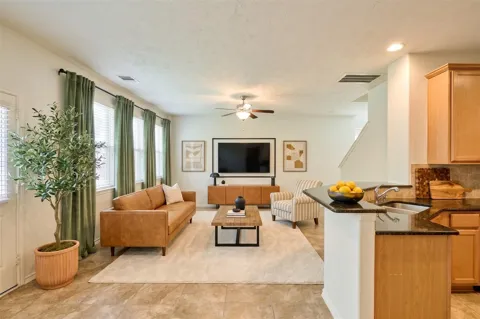
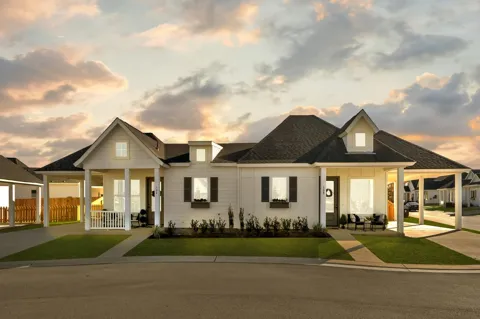
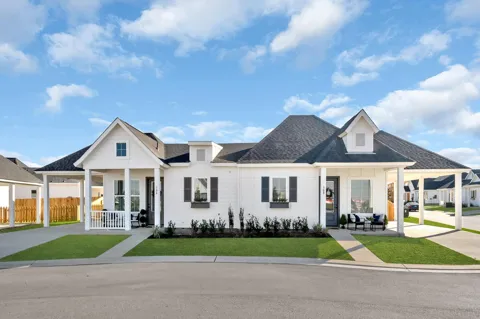
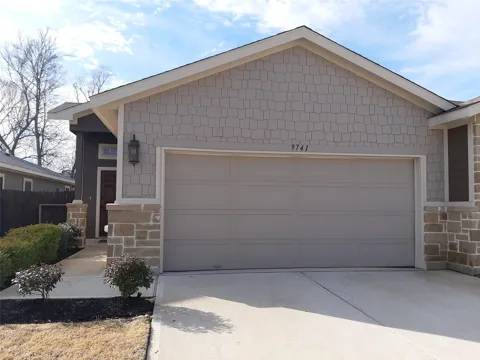
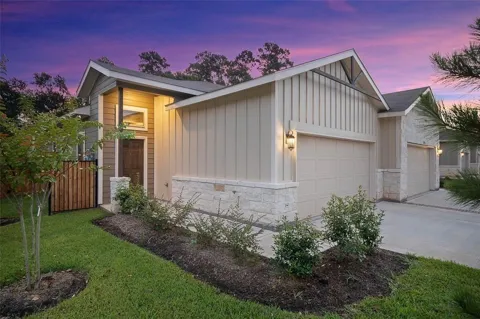
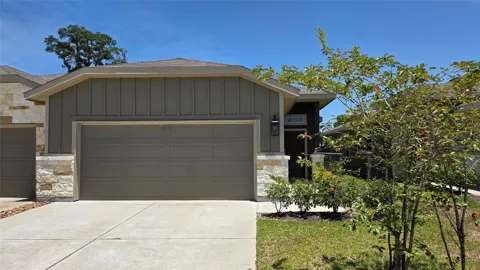
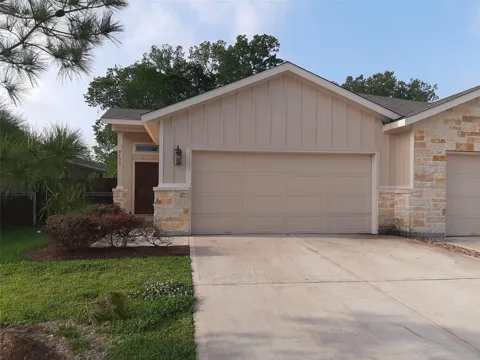
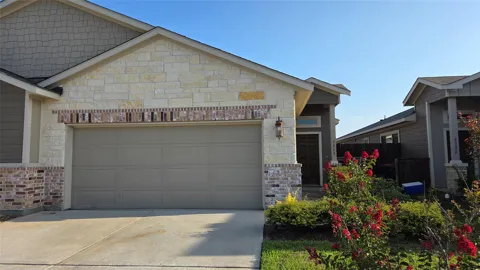
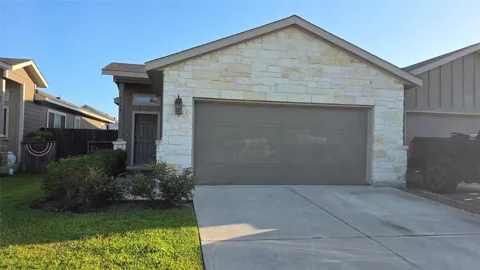
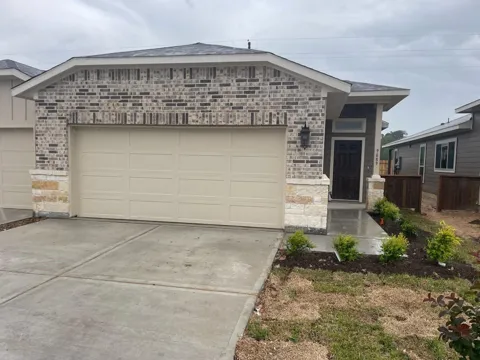
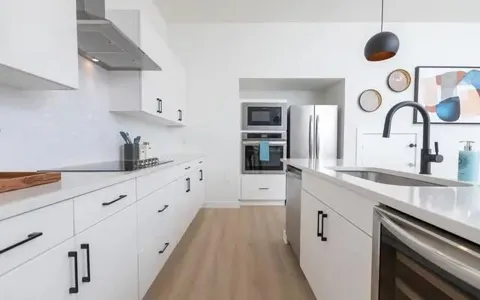
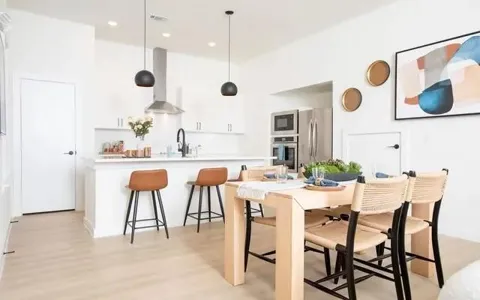
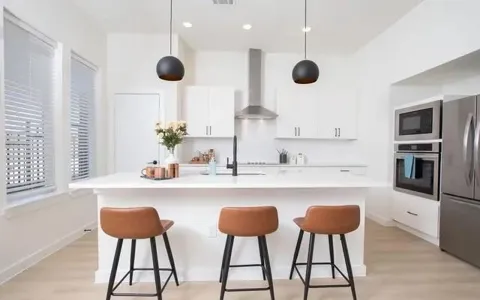
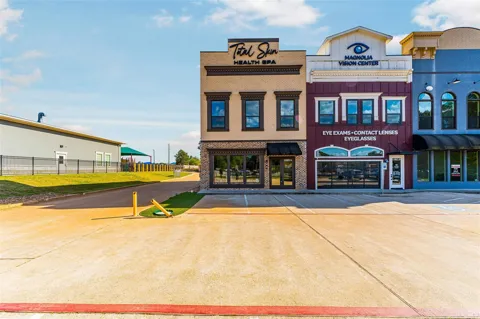
For Rent in Magnolia, TX
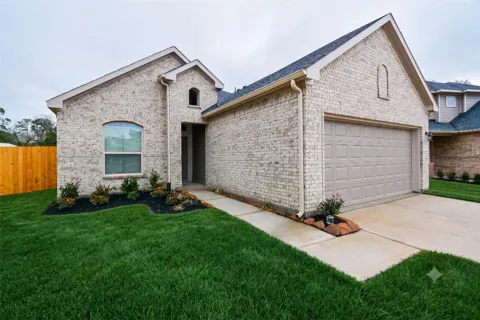
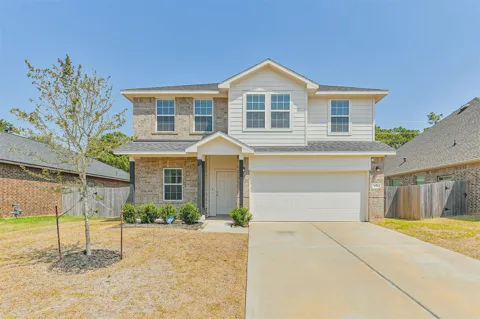
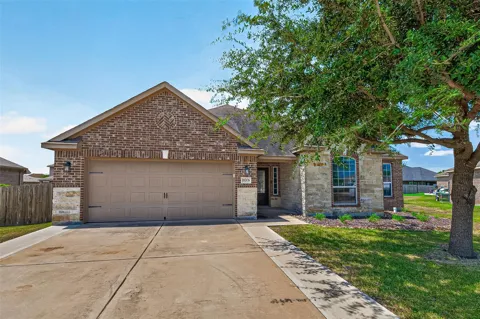
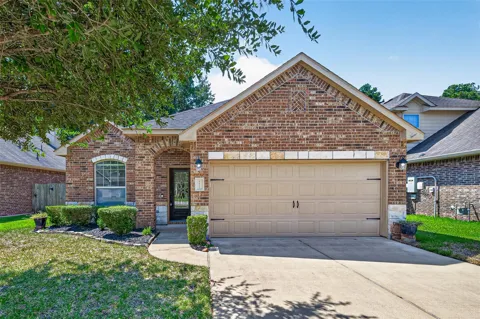
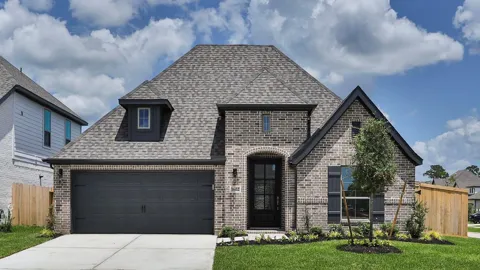
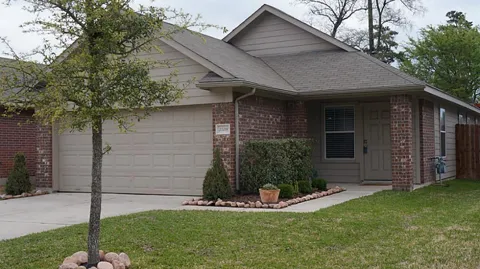
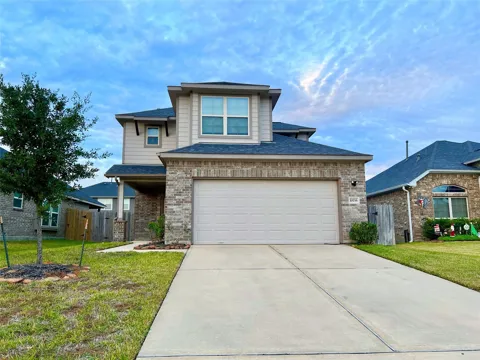
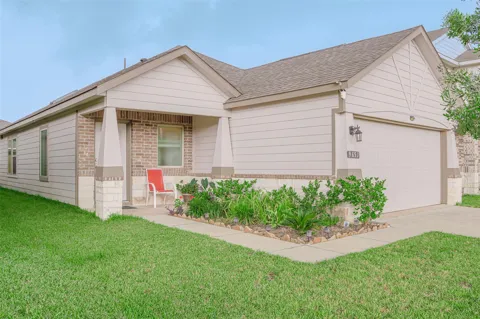
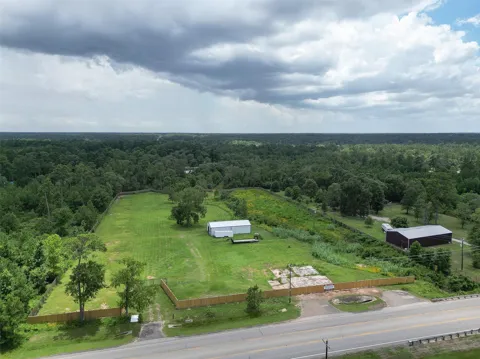
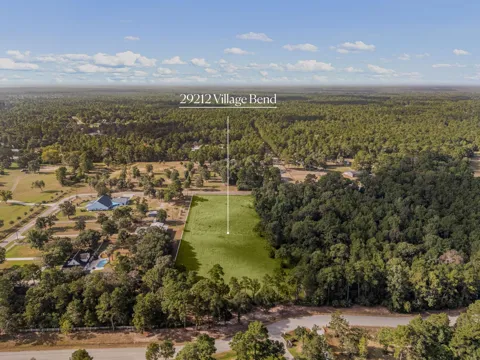
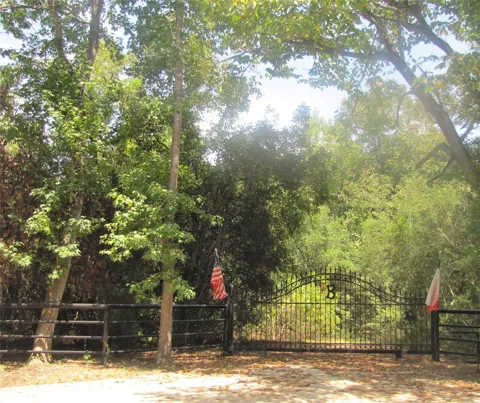
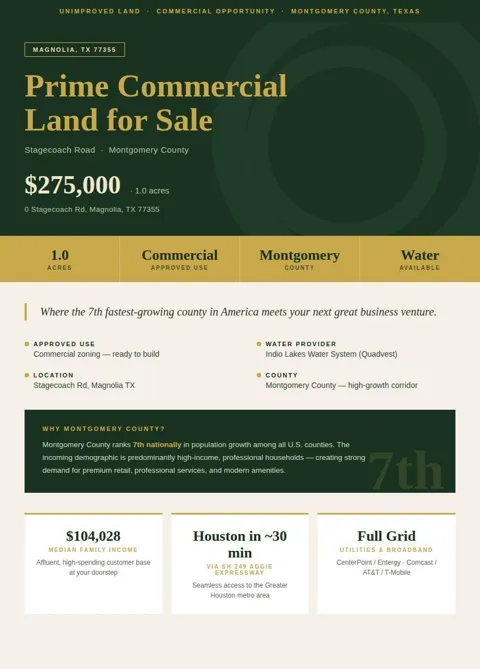
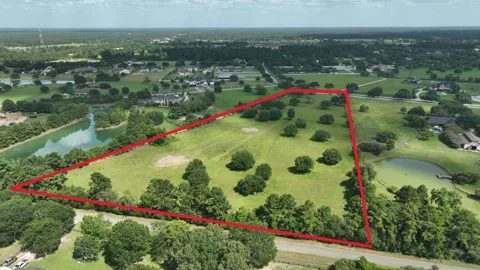
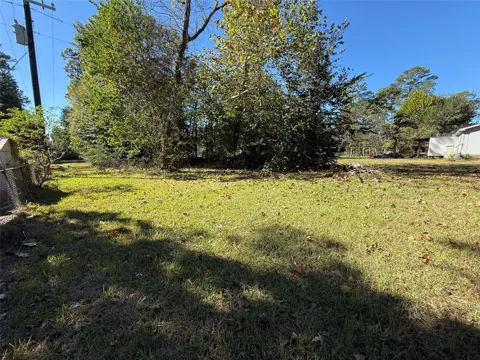
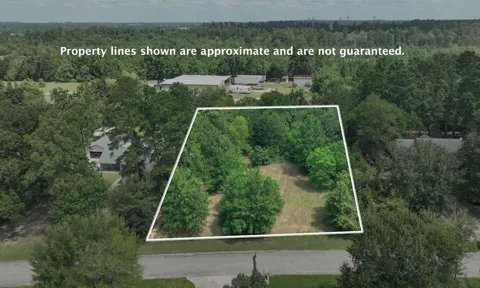
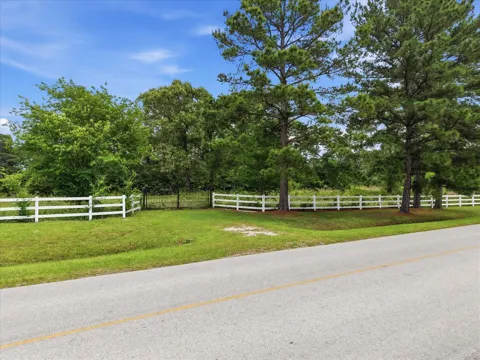
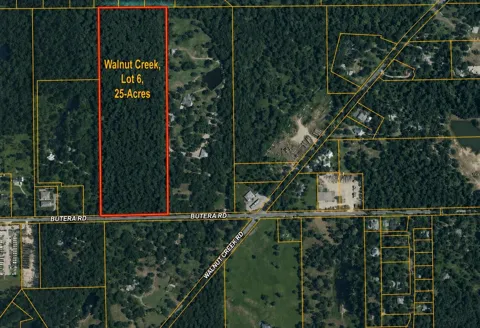
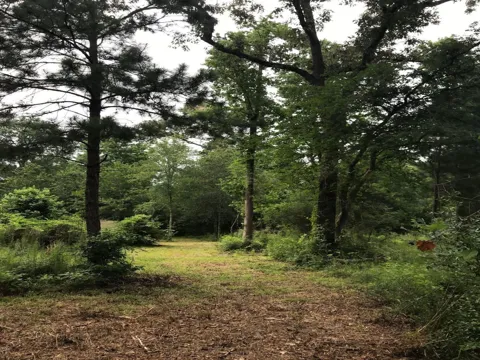
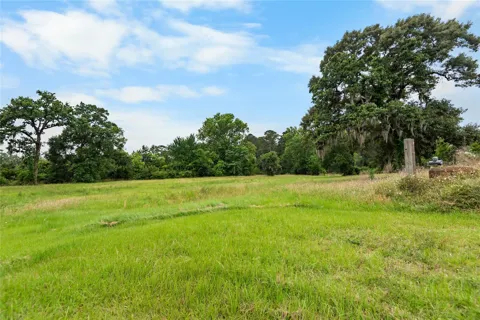
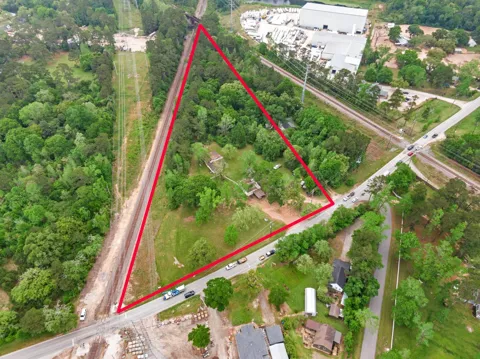
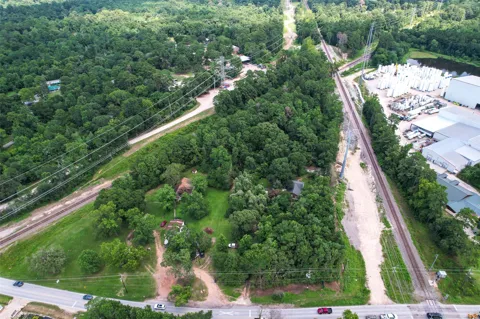
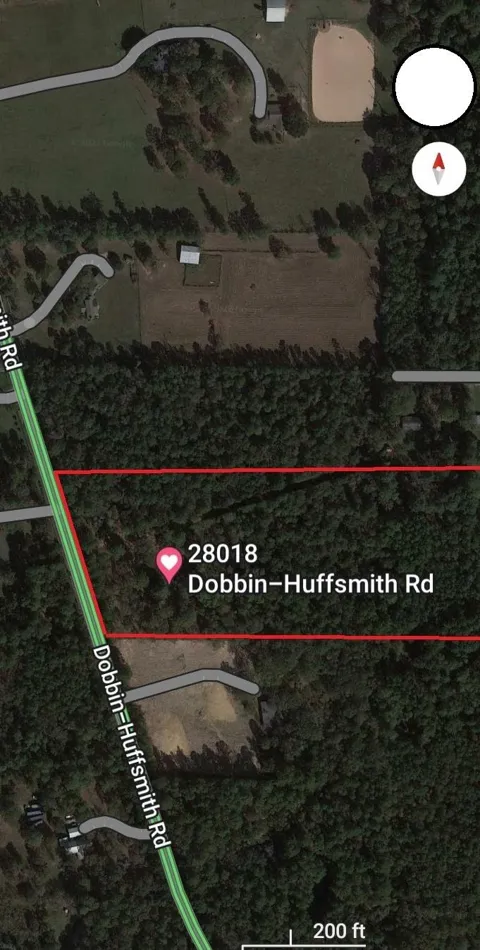
Lots & Land in Magnolia, TX
MARKET SNAPSHOT
The Market at a Glance
How homes have been selling here over the last 90 days.
Price & Sales History
Market data reflects closed sales over the last 90 days and is provided for informational purposes.
EXPLORE COMMUNITIES
Subdivisions
Browse the neighborhoods and subdivisions in this area.
Zip Codes
BROWSE BY ZIP
Browse listings by postal code in this area.
- Grid
- Map
- List
City Guide
About Magnolia
Real Estate & Housing
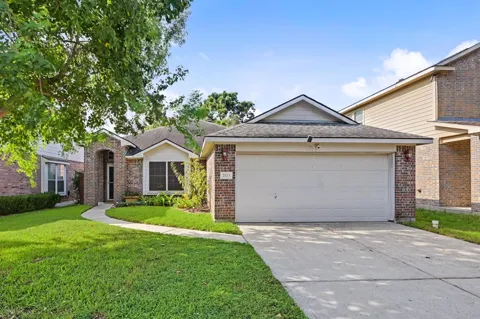
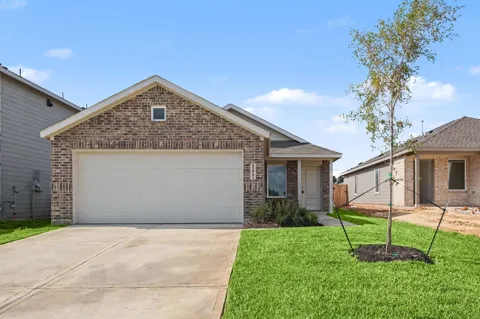
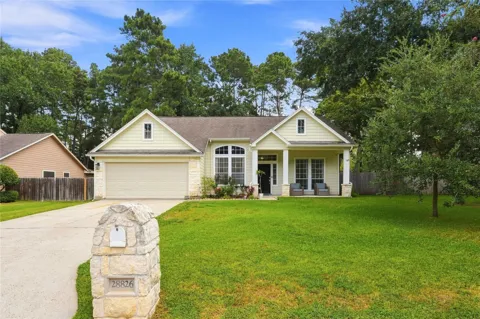
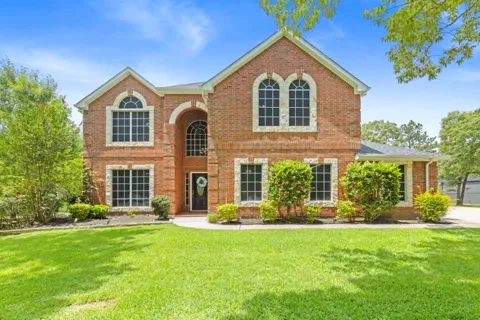
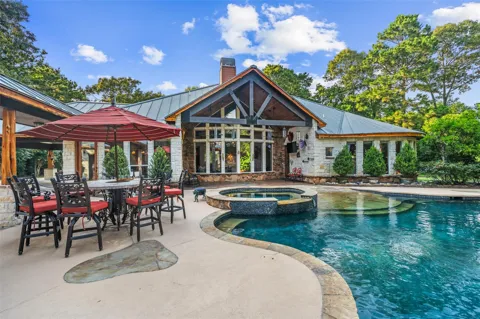
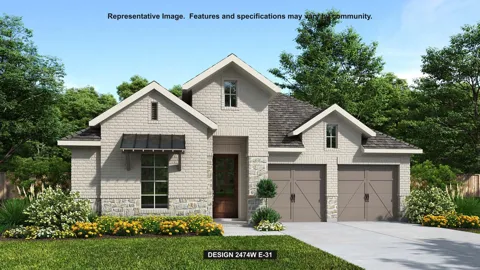
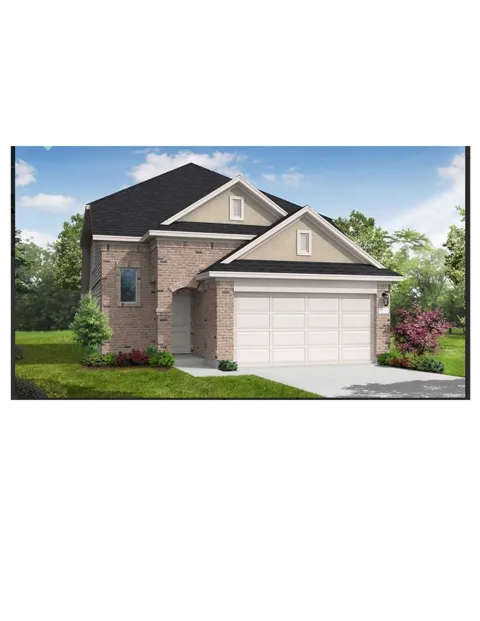
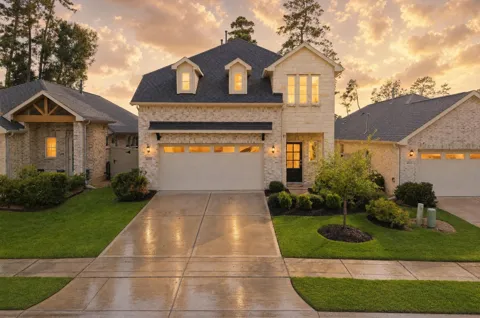
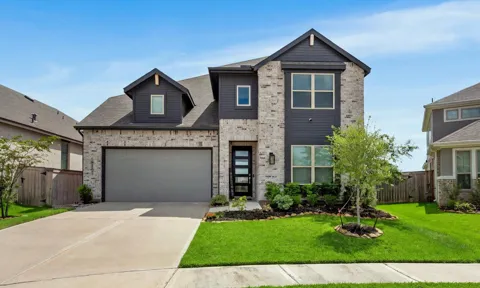
Magnolia's housing market spans a wide range of property types, reflecting the area's blend of rural heritage and rapid suburban growth. Buyers can find large-lot acreage and estate-style properties among the pine forests, established subdivisions with mid-sized single-family homes, and a growing inventory of new construction in master-planned communities. Developments such as Northgrove, High Meadow Ranch, Audubon, and Lake Windcrest offer gated or controlled-access living with community amenities, while newer projects along FM 1488 have introduced resort-style features. The market's character is defined by space and trees — lot sizes are generally larger than in denser Houston suburbs — and by a steady stream of new homes as the area's population continues to expand.
Neighborhoods
The Magnolia area's residential communities are spread across northwest Montgomery County rather than clustered around a single core. Northgrove and High Meadow Ranch are among the larger master-planned developments, offering wooded lots, amenity centers, and newer single-family construction. Audubon and Lake Windcrest provide gated or controlled-access living with community lakes and parks. The newer Grand Magnolia community along FM 1488 has drawn attention for its large-scale, resort-style planning. Beyond these, numerous smaller subdivisions and acreage tracts give the area its distinctive semi-rural character, with many properties set back among pine and hardwood trees. The unincorporated nature of much of the area means neighborhoods rely on the city of Magnolia and its school district as community anchors.
Lifestyle in Magnolia
Magnolia offers an outdoors-oriented, small-town lifestyle at the edge of the Houston metro. The area's pine forests and rolling landscape support a culture built around cycling, birding, and lake recreation, with the scenic Montgomery Trace serving as a popular year-round bike route. Each autumn the Texas Renaissance Festival draws tens of thousands of visitors over seven weekends, giving the city a signature cultural event. Day-to-day amenities increasingly exist within Magnolia itself, though many residents head to The Woodlands or Tomball for larger shopping, dining, and entertainment options. The mix of forested acreage, family-oriented neighborhoods, and proximity to major employment centers makes Magnolia popular with buyers seeking space without sacrificing access to the Houston economy.
Schools & Education
Public education in the Magnolia area is provided by Magnolia Independent School District, which serves the city and much of northwest Montgomery County. The district operates about 17 schools enrolling roughly 14,500 students and has grown steadily alongside the area's residential development. Magnolia ISD's schools are a central consideration for families relocating to the region, and the district's boundaries extend well beyond the incorporated city limits to cover the surrounding unincorporated communities. Families also have access to private and charter options in the broader Montgomery County area. Higher education is available within commuting distance, including Lone Star College campuses in The Woodlands and Tomball and Texas A&M University in College Station, reached via the FM 1488 corridor.
Getting Around
Magnolia's growth is tied to its improving highway connections. State Highway 249 runs south toward Houston, providing the primary route into the metropolitan area, while FM 1488 serves as the main east-west corridor, linking Magnolia to The Woodlands and Tomball and, ultimately, to Interstate 45. This positions residents within a short drive of major employment, shopping, and medical centers while retaining a semi-rural setting. Lake Conroe lies to the north, and Texas A&M University in College Station is reachable via the FM 1488 corridor. For air travel, George Bush Intercontinental Airport in north Houston is accessible by car, and the region's growing toll-road and highway network continues to expand capacity as the population increases.
Parks & Recreation
Outdoor recreation is a defining feature of the Magnolia area. The region is known as a gateway to the Texas Piney Woods and draws cyclists, birders, and hikers, with several MS-150 qualifying cycling routes passing through the scenic Montgomery Trace corridor. Unity Park, one of the city's most popular green spaces, offers walking trails, sports facilities, playgrounds, and a pond for family recreation. Lake Conroe, just to the north, provides boating, fishing, and shoreline parks, while The Woodlands' network of trails and parks lies to the east. The Texas Renaissance Festival, held over seven weekends each fall, anchors the community's event calendar and brings a large seasonal influx of visitors to the area.
About Magnolia
Frequently asked questions
What county is Magnolia, Texas in?
Magnolia is located in Montgomery County, Texas, in the northwest Houston region. The city sits between The Woodlands and Lake Conroe, in an area of gently rolling, pine-forested land that marks the transition into the Texas Piney Woods.
How far is Magnolia from Houston?
Magnolia lies in northwest Montgomery County, connected to Houston primarily by State Highway 249, with FM 1488 providing east-west access to The Woodlands and Tomball. The trip to downtown Houston is typically under an hour depending on traffic.
What school district serves Magnolia, Texas?
Public schools in the Magnolia area are operated by Magnolia Independent School District, which serves northwest Montgomery County. The district operates about 17 schools enrolling roughly 14,500 students and has expanded steadily alongside the area's rapid residential growth.
What is Magnolia, Texas known for?
Magnolia is known as the host community for the Texas Renaissance Festival, held over seven weekends each fall, and as a gateway to the Texas Piney Woods. The area is also recognized for its cycling routes, birding, and large-lot, forested residential communities.
Is Magnolia near The Woodlands?
Yes. Magnolia sits along FM 1488, which connects directly to The Woodlands and Tomball, putting major shopping, dining, and employment centers within a short drive. The Woodlands' performing arts pavilion and corporate campuses are among the region's draws for Magnolia residents.
What is the population of Magnolia, Texas?
The incorporated city of Magnolia counted about 2,359 residents in the 2020 census, but the surrounding Magnolia area of northwest Montgomery County is much larger, with tens of thousands of residents across unincorporated subdivisions and master-planned communities that the city anchors.
Still have questions about Magnolia?
Get in touchExplore the area